


Thoughtful staging can help buyers notice the space and daylight your Miami home already offers. Start by clearing sightlines, preparing windows and arranging furniture around how each room functions. Pair those improvements with a pricing strategy grounded in comparable sales, and you can bring a more complete listing to market.
Start With the View From the Front Door
A buyer’s first impression begins before they reach the living room. Walk through your home as if you were seeing it for the first time: Is the entry easy to navigate? Can you see where one room leads to the next? Small changes that make the layout immediately understandable can be more effective than buying a houseful of new decor.
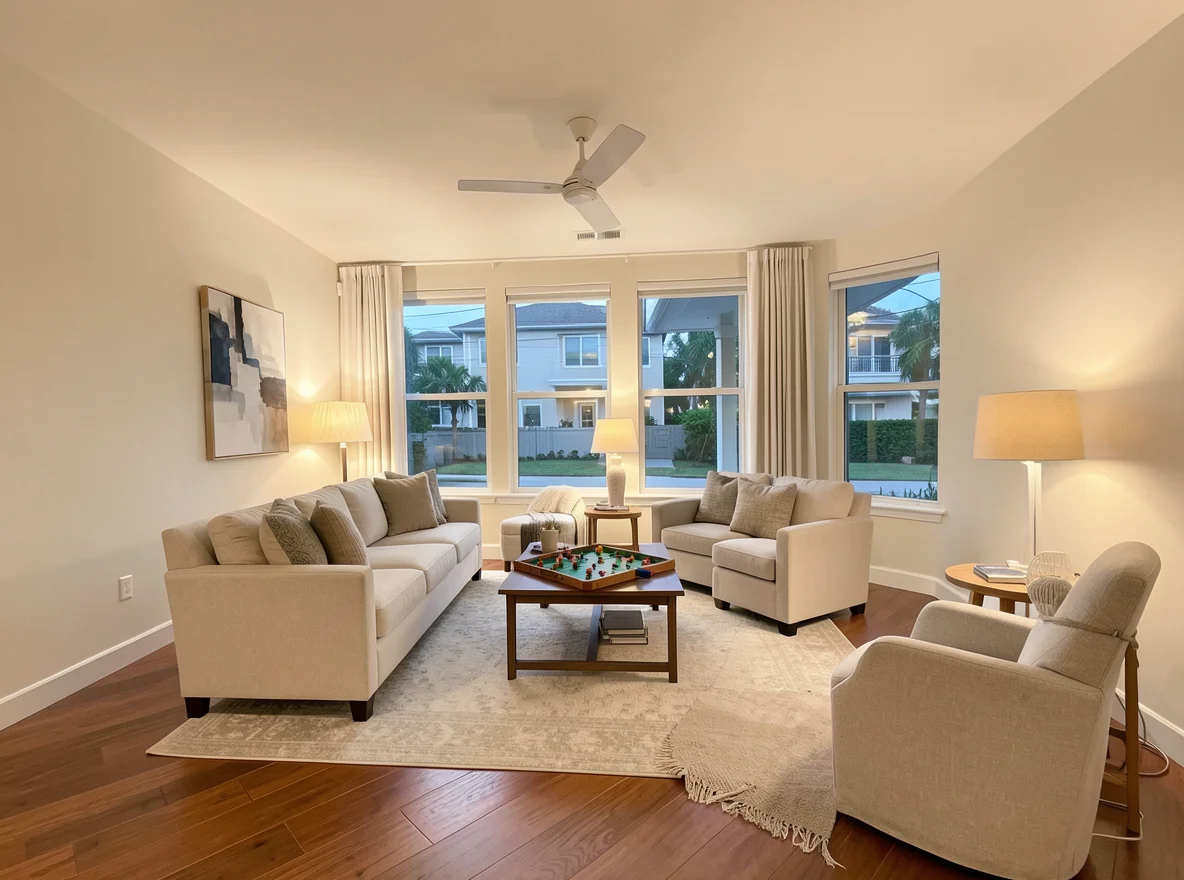
Clear shoes, excess furniture and decorative pieces from the entry, then look for a natural path through the main living areas. In an open-plan home, use a rug or a modest furniture grouping to define the seating area without blocking the connection to the dining space. In a condo or smaller home, removing one oversized piece may reveal more usable floor area than rearranging several smaller ones.
Keep enough furniture to show a room’s purpose and scale. An empty room can make it difficult to judge where a sofa, table or desk might fit; an overcrowded one can make the same space feel constrained. Aim for comfortable circulation and a clear view toward windows, balconies or other features that distinguish the home.
Before moving furniture, stand at each doorway and photograph the room. The image can reveal blocked sightlines and clutter that are easy to overlook in person.
Let Natural Light Do More of the Work
Miami’s daylight can be a selling feature when windows are clean and easy to see. Wash interior and exterior glass where it can be done safely, dust blinds and repair window treatments that no longer open smoothly. Pull back heavy curtains for photos and showings, while keeping any privacy or glare concerns in mind.
Look at the home at different times of day. A bright morning room may look quite different in the afternoon, and direct sun can create harsh contrast in photographs. Coordinate with your listing agent and photographer on timing, and use clean, consistent light bulbs to brighten areas that receive less daylight. Avoid presenting a view or lighting condition in a way that misrepresents the property.
Light-colored linens, simple window treatments and a restrained palette can help a room feel cohesive without requiring a complete renovation. Mirrors can reflect light, but placement matters: choose a wall that reflects a window or an appealing part of the room rather than visual clutter. If a wall needs attention, a fresh coat of neutral paint may be worthwhile after more urgent repairs are addressed.
Don’t overlook the practical side of sunshine. Check that doors and windows operate as intended, and discuss any known issues with your agent. Buyers may appreciate the daylight, but they will also want to understand the condition of the features that bring it inside.
Make Everyday Spaces Feel Ready to Use
Kitchens and bathrooms benefit from a thorough clean and a little breathing room. Clear most countertop appliances, put away personal products and leave a few purposeful accents, such as a bowl or a folded towel. Clean grout, polish fixtures and replace burned-out bulbs so buyers can focus on the room rather than a list of small distractions.
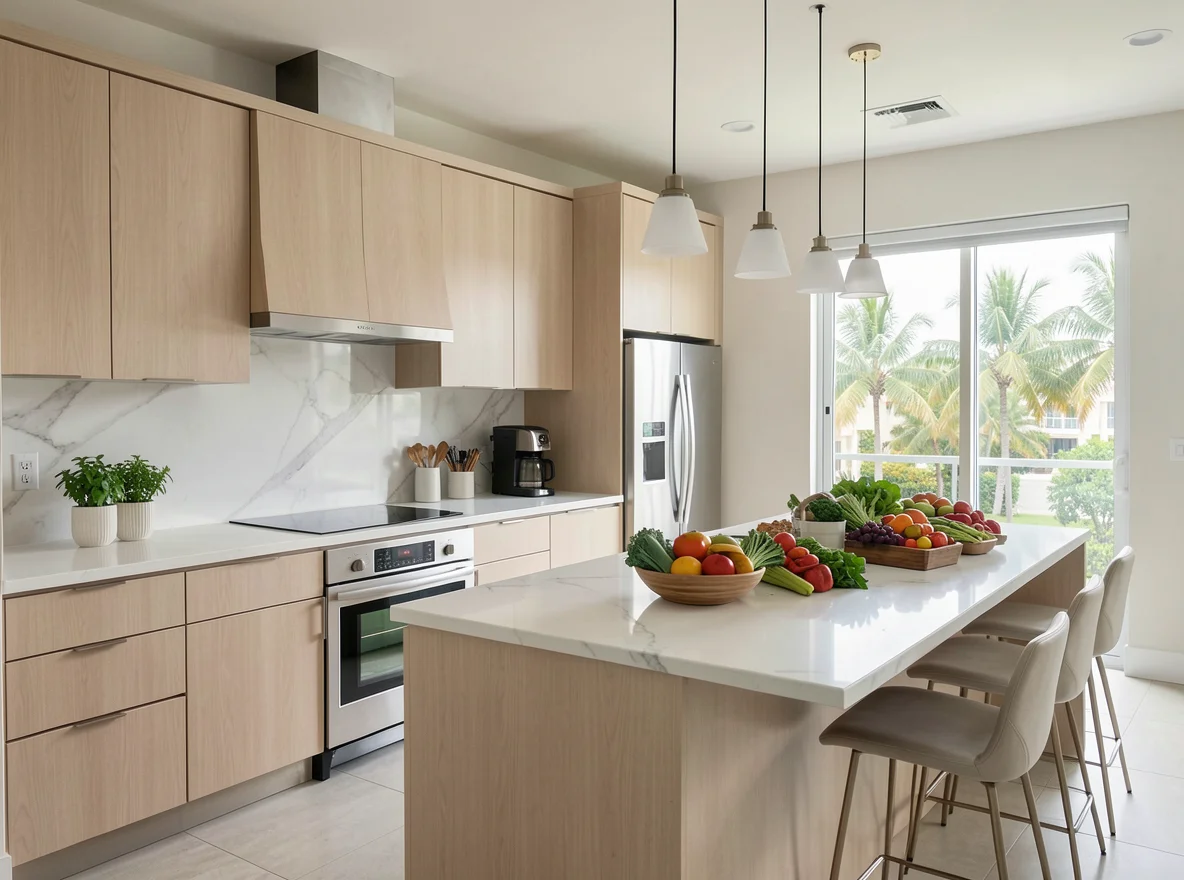
Storage is part of the showing, too. Buyers may open closets and cabinets to understand their capacity, so organize shelves rather than simply transferring clutter behind closed doors. Leave some visible space where possible, and remove valuables, medications and sensitive documents before photography or showings.
Give each bedroom or flexible room a clear purpose without making it feel crowded. A neatly made bed, appropriately sized nightstands and open floor space communicate scale. If a room is currently used for several purposes, consider simplifying it into one primary use for the listing while accurately representing its features.
For a balcony, patio or other outdoor area, clean the surfaces and arrange furniture to show how much space is available. Keep walkways clear and check any applicable building or association rules before making changes. Outdoor spaces can add another dimension to a listing, but they should be shown honestly, with existing views and boundaries represented accurately.
Prioritize Repairs Before Decorative Upgrades
Staging helps buyers see a home clearly; it does not replace maintenance or required disclosures. Make a list of visible issues such as dripping faucets, scuffed walls, loose handles and damaged screens. Address what you reasonably can, and ask your agent which larger projects are worth evaluating before you spend money.
In South Florida, it is also sensible to review the condition and service history of systems and features relevant to the property, including air conditioning, windows and any storm-protection elements. If you have records, warranties or permits, gather them in one place. Do not conceal moisture, damage or other known material issues behind furniture or fresh finishes; discuss disclosure obligations with your agent and seek professional advice when needed.
A clean window and an unobstructed path cost little compared with a renovation. Tackle those basics before deciding whether a larger upgrade supports your sale plan.
If time or budget is limited, focus first on the rooms buyers are likely to see in listing photos: the entry, main living area, kitchen and primary bedroom. A professional stager can help, but a well-edited arrangement of your existing furnishings may be enough. Request estimates before committing, and weigh the cost against your timeline and the home’s condition.
Price for the Market, Not the Staging Budget
Good presentation can support a listing, but it does not establish market value on its own. Work with your agent to review recent comparable sales, current competing listings and relevant differences in size, condition, location and property type. For a condo, consider building-specific factors such as association fees, amenities and any disclosed assessments alongside the individual unit’s features.
Ask how the proposed price fits the evidence and what feedback you will monitor once the home is listed. An online estimate can be a starting point, but it may not capture a renovation, a particular floor plan or the condition of comparable properties. A local review can help you decide where preparation dollars are most useful and set expectations before photography begins.
Prepare for Photos and Showings
Once repairs, cleaning and furniture placement are complete, schedule photography when the home is ready to look its best. Open window treatments as appropriate, turn on working lights, clear cars or bins from key exterior views and give the photographer access to the spaces you want represented. Review the listing details for accuracy, including room descriptions and any association information.
Keep a simple showing routine: wipe counters, straighten linens, empty trash and secure personal items. Your agent can help coordinate access and share buyer feedback so you can make informed adjustments. With a clear plan for presentation, pricing and communication, your Miami home can make a strong first impression while giving buyers the information they need to assess it.