

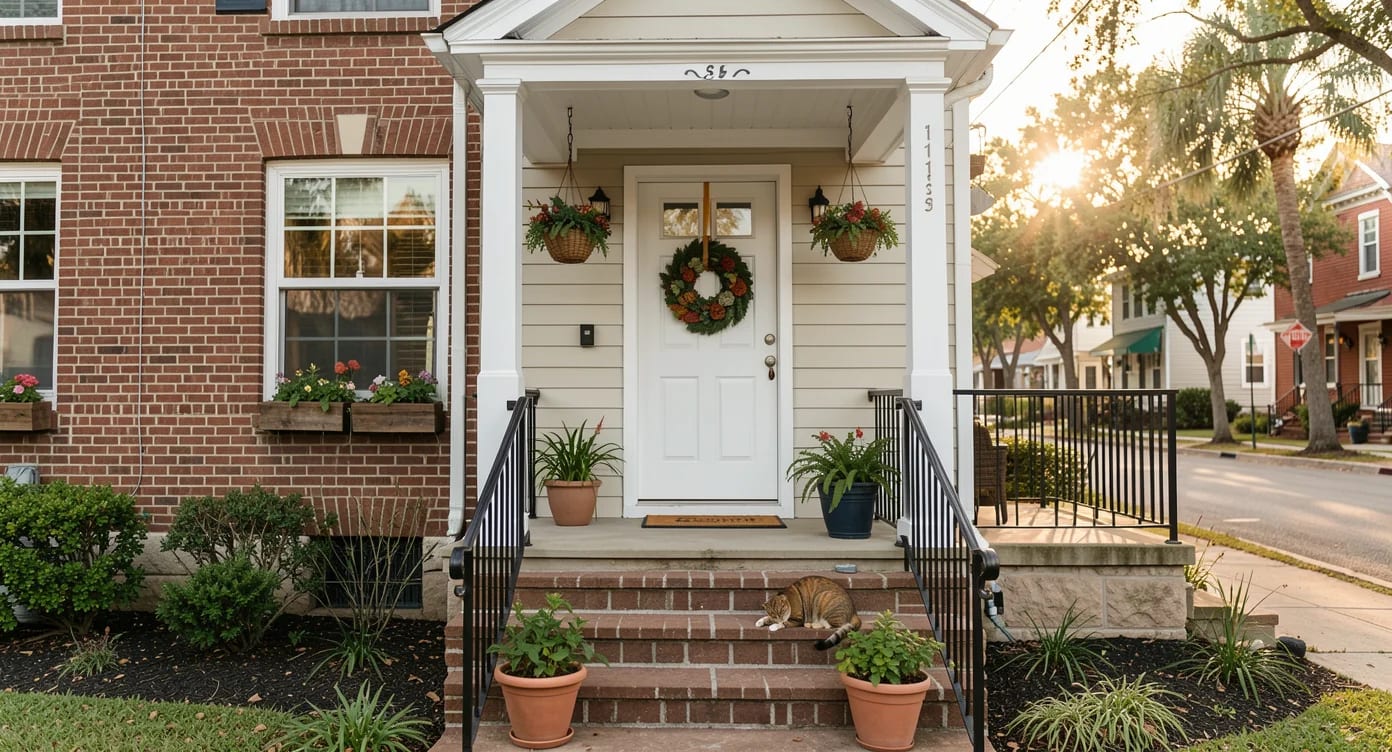
A home inspection can reveal more than a list of repairs: it can help you understand future maintenance, insurance questions, and the decisions ahead before closing. In Fort Lauderdale, pay particular attention to moisture, roofing, storm protection, and the inspection deadlines in your contract. This checklist will help you prepare, review the findings, and decide what to do next.
Start with the contract and the calendar
Once your offer is accepted, review the purchase agreement with your real estate professional and, when appropriate, a Florida real estate attorney. Identify the inspection period, how the deadline is calculated, and what the agreement allows you to do if the findings raise concerns. The inspection period and your options depend on the contract you signed; do not assume every transaction follows the same schedule.

Schedule a licensed home inspector promptly, and ask when the written report will be available. Leave enough time to read it, arrange any specialist evaluations, obtain estimates, and communicate your decision before the contractual deadline. If utilities need to be on or access to an attic, electrical panel, or other area must be arranged, coordinate that early as well.
Ask the inspector what the standard inspection includes and what it does not. A general inspection is typically a visual assessment of accessible components, not a guarantee that every concealed issue will be found. Pools, seawalls, pest inspections, mold testing, sewer scopes, and other specialized services may require separate professionals or fees.
Book the inspection early enough to allow for follow-up evaluations—not just the initial report. Your contract, rather than a standard rule of thumb, determines the deadline that matters.
Examine the exterior, roof, and storm protection
South Florida’s rain, humidity, and coastal conditions make the outside of a home an important place to start. Ask the inspector to assess visible siding or stucco, windows, doors, drainage, and signs of water intrusion. Look for staining, damaged finishes, cracks, or soil that directs water toward the structure. A finding is a starting point for questions, not automatically proof of a major defect.
The roof deserves close attention. Review its visible condition, any signs of leaks, and available records showing its age, repairs, or replacement. If the inspector cannot safely access part of the roof or recommends a closer look, consider a qualified roofing contractor. Roof condition and documentation can also be relevant when you seek insurance quotes.
Ask about the condition and documentation of impact-rated windows, shutters, and other opening protections. A wind mitigation inspection is separate from a general home inspection and documents certain wind-resistant features for an insurer’s review. It may affect available insurance credits, but the outcome depends on the property, documentation, and insurer. Check with your insurance agent about what is required.
Check the systems behind everyday comfort
Inside, focus on the systems that affect how the home functions and what it may cost to maintain. Walk through the report with the inspector, paying attention to both immediate concerns and components that may need attention later. An older system is not necessarily defective, but its age and service history can help you plan.
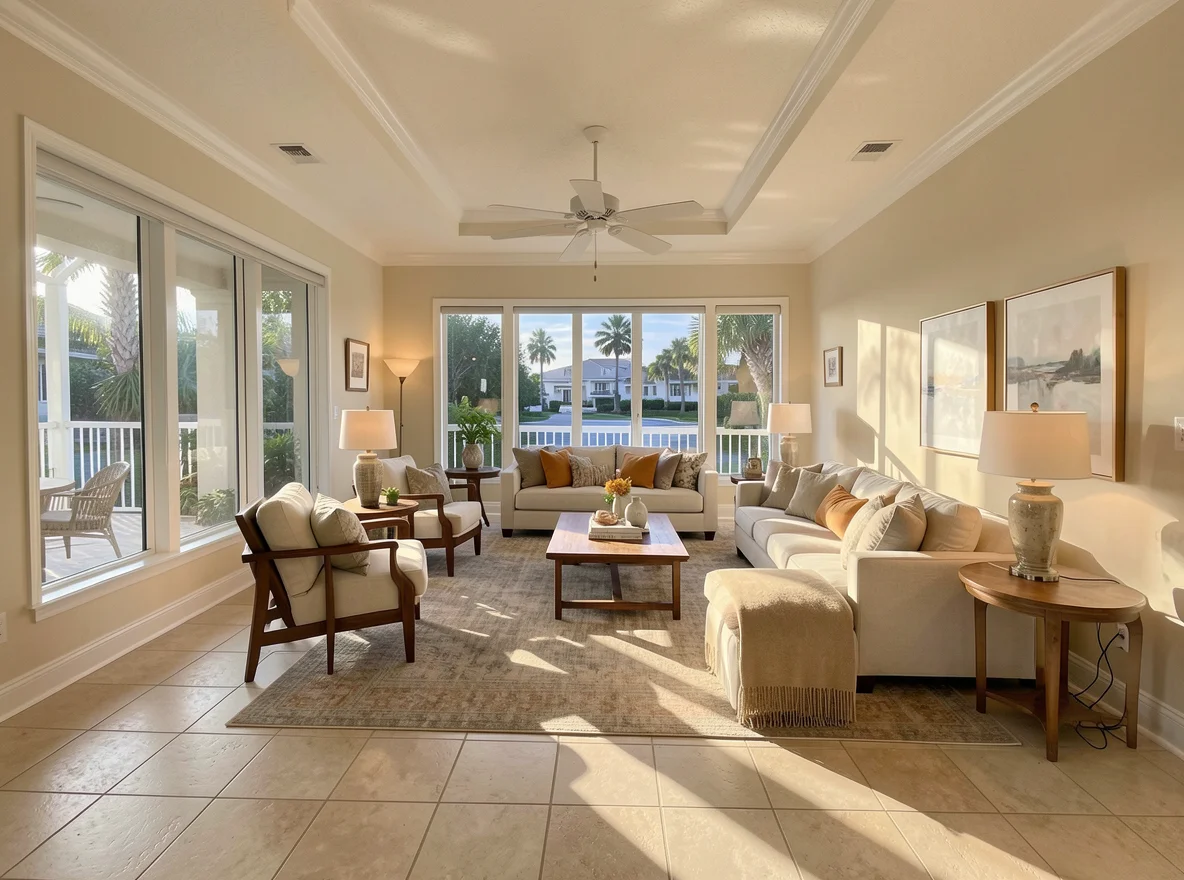
Review the heating and cooling system, electrical panel, plumbing fixtures, water heater, and accessible appliances included in the sale. Ask whether equipment operated during the inspection and whether the inspector observed leaks, corrosion, unusual wear, or conditions that warrant evaluation by a licensed specialist. Confirm the age of major equipment through records when available rather than relying on appearance alone.
Moisture deserves a careful look in bathrooms, kitchens, laundry areas, ceilings, and around windows. Ask about visible staining, musty odors, or elevated moisture readings and whether further investigation is recommended. A general inspection may identify signs of a problem without determining its full cause or extent; a qualified specialist can advise on additional testing or repairs.
For homes with older plumbing or a history of drainage concerns, ask whether a sewer scope would be useful. If the property has a pool, dock, seawall, or other feature outside the general inspector’s expertise, consider a separate evaluation. The right add-on inspections depend on the property, your concerns, and the time available under the contract.
Questions to bring to the inspection
- Which findings need prompt attention, and which are routine maintenance?
- Were any areas inaccessible or systems unable to be tested?
- What should be evaluated by a roofer, electrician, plumber, or other specialist?
- Are there signs of past repairs or moisture that need more documentation?
- What records or permits should I request for major work?
Connect inspection findings to insurance and financing
A property can look appealing and still present insurance questions that affect your budget. Contact an insurance agent early to discuss coverage options, deductibles, and any inspection reports the insurer may request. A four-point inspection, which focuses on the roof, electrical, plumbing, and heating and cooling systems, is distinct from a general inspection and may be requested for insurance underwriting, particularly for an older home.
Ask about flood insurance separately from homeowners coverage, and review flood information for the specific property. Flood risk is not limited to a single neighborhood or property type, and coverage requirements can depend on the lender, loan, and location. Your insurance agent and lender can explain the options and requirements relevant to your purchase.
A general inspection, a four-point inspection, and a wind mitigation inspection serve different purposes. Ask your inspector and insurance agent which reports you need before ordering them.
Keep your lender informed when findings may affect the transaction or planned repairs. An appraisal is also separate from a home inspection: it addresses value for lending purposes and is not a substitute for a detailed assessment of condition. Before agreeing to a repair credit or other change, ask your lender and closing professionals how it may affect your loan and closing documents.
Review documents and decide on next steps
For a condominium or townhome, clarify which components are your responsibility and which are maintained by an association. Request and review the applicable association documents, financial information, insurance details, and available records of planned work or assessments. Ask how to investigate building-wide concerns that an inspection of an individual unit may not address.
Once you have the report, separate significant issues from ordinary wear. Obtain qualified estimates where practical, then discuss your options with your real estate professional. Depending on the contract, you may be able to request repairs or a credit, proceed as agreed, or exercise a contractual right to cancel. Negotiated changes should be documented in writing, and any notice must follow the agreement’s requirements.
Before closing, arrange a final walk-through under the terms of your agreement. Confirm the property’s condition, check that agreed-upon repairs appear complete, and review receipts or other documentation when available. A walk-through is not a replacement for a professional reinspection; if a repair needs technical verification, discuss bringing in the appropriate specialist.
A thoughtful inspection process gives you a clearer picture of the home before you take ownership. Start with the deadlines, ask property-specific questions, and use the report to plan your next move with greater confidence.