

Plantation Seller Playbook: 6 Upgrades That Pay Off (and 3 That Don't)
When you're getting ready to sell in Plantation, the temptation is to "just update everything" and hope the price tag rises with each receipt. In reality, buyers here are savvy, inventory changes seasonally, and not every improvement translates into a stronger offer (or a smoother inspection). The smartest approach is to focus on upgrades that photograph beautifully, reduce buyer anxiety, and signal a home that's been cared for. Below is a practical playbook you can use to prioritize the right projects—plus a few common money pits to skip.
Quick mindset shift: the goal isn't to build your dream home; it's to remove objections and help buyers feel confident saying yes. Think "clean, bright, low-maintenance, move-in ready," especially in South Florida where heat, humidity, and storm season make condition and durability stand out.
Upgrade #1: Fresh interior paint in buyer-friendly tones
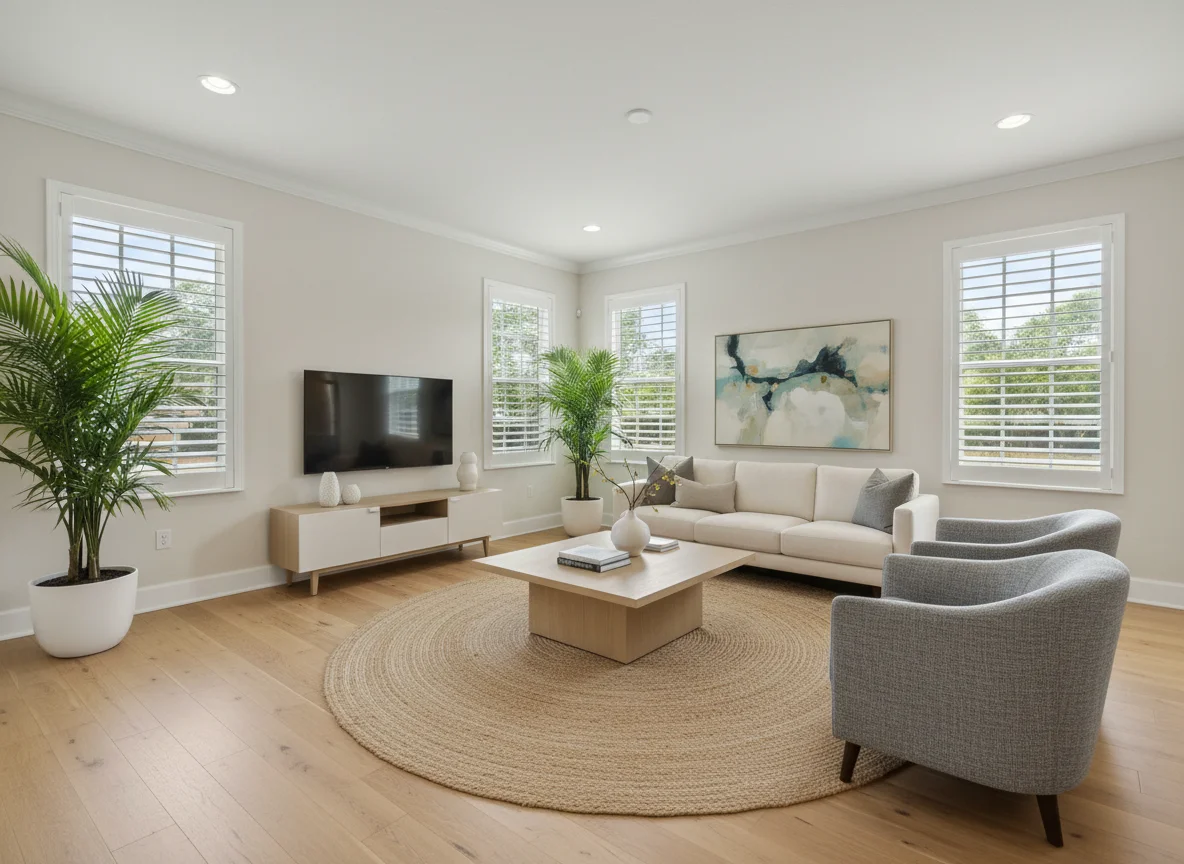
A clean paint job is one of the most reliable "bang for the buck" moves because it affects every showing and every photo. In Plantation, where sunlight is abundant, scuffed walls and dated colors show quickly. Stick with soft whites and light greiges to make rooms feel larger and reflect light. Trim touch-ups matter too—buyers notice dingy baseboards more than sellers expect.
Pro tip: if you only have budget for part of the home, prioritize entryways, main living areas, and the primary bedroom. These spaces set the emotional tone of the tour and create the "this feels maintained" effect.
Upgrade #2: Lighting that makes the home feel modern (and bright)
Lighting is both functional and psychological. Swapping outdated fixtures, yellowed dome lights, or mismatched hardware for clean, contemporary styles can make a home feel instantly newer. Pair that with daylight-balanced LED bulbs (consistent color temperature throughout), and you'll eliminate shadows that make rooms feel smaller. For open living/dining spaces, one or two statement fixtures can give buyers a clear sense of where gatherings happen—without needing a full renovation.
Also: check exterior lighting. A well-lit entry reads as safer, more welcoming, and more "move-in ready," which is a quiet but powerful signal when buyers compare multiple homes.
Upgrade #3: Curb appeal refresh (landscaping + entry details)
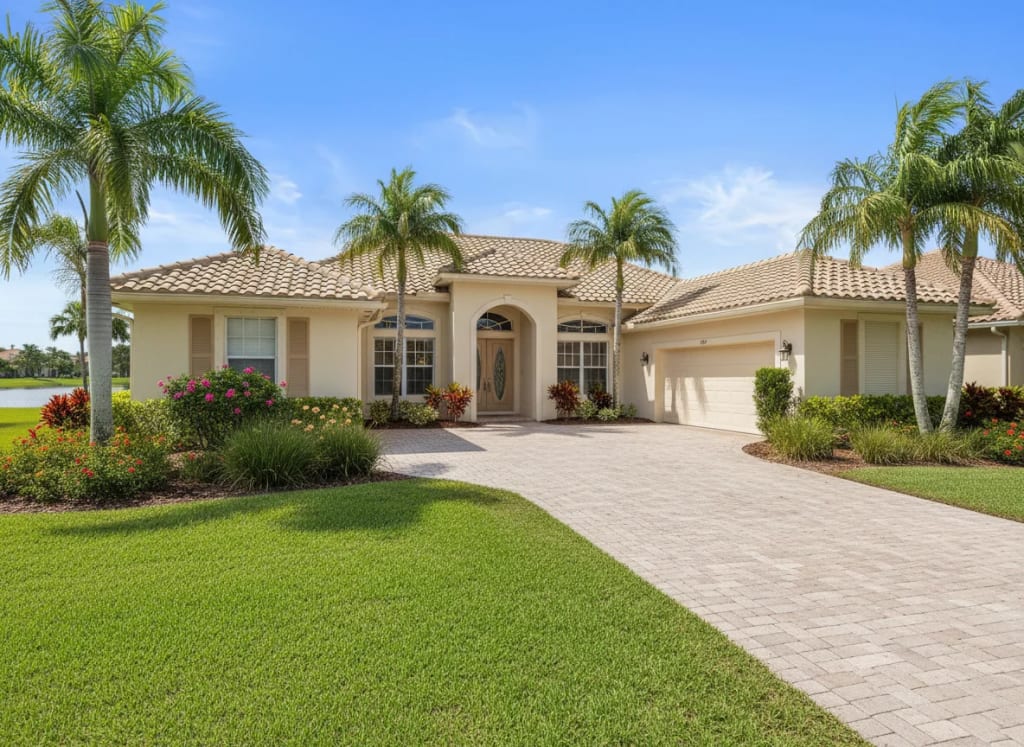
In Plantation, first impressions start before anyone reaches the front door. A modest landscaping cleanup, fresh mulch, trimmed hedges, and a crisp walkway edge can make a home look higher-end without major construction. If your front door is faded, repainting it or updating hardware can be a surprisingly effective upgrade. The idea is to create a "well cared for" feeling that buyers carry through the rest of the tour.
Simple checklist: pressure wash driveway/walkway, refresh mulch, trim trees away from the roofline, add a couple of healthy potted plants, replace a tired mailbox, and make sure the house numbers are clean and easy to read.
Upgrade #4: Kitchen refresh without a full remodel
Full kitchen remodels are expensive and rarely return dollar-for-dollar right before selling. But strategic updates can absolutely pay off. Think: new cabinet hardware, a modern faucet, a clean backsplash, updated light fixtures, and—if needed—painting cabinets in a neutral, durable finish. If appliances are mismatched or visibly dated, replacing one "problem" appliance (often the range or dishwasher) can elevate the entire space, especially in photos.
If countertops are stained, chipped, or an unusual color, that's one area where replacement can be worthwhile. Buyers may mentally discount your home more than the actual cost of the counter, because they're imagining disruption, contractors, and uncertainty.
Upgrade #5: Bathroom polish that reduces objections
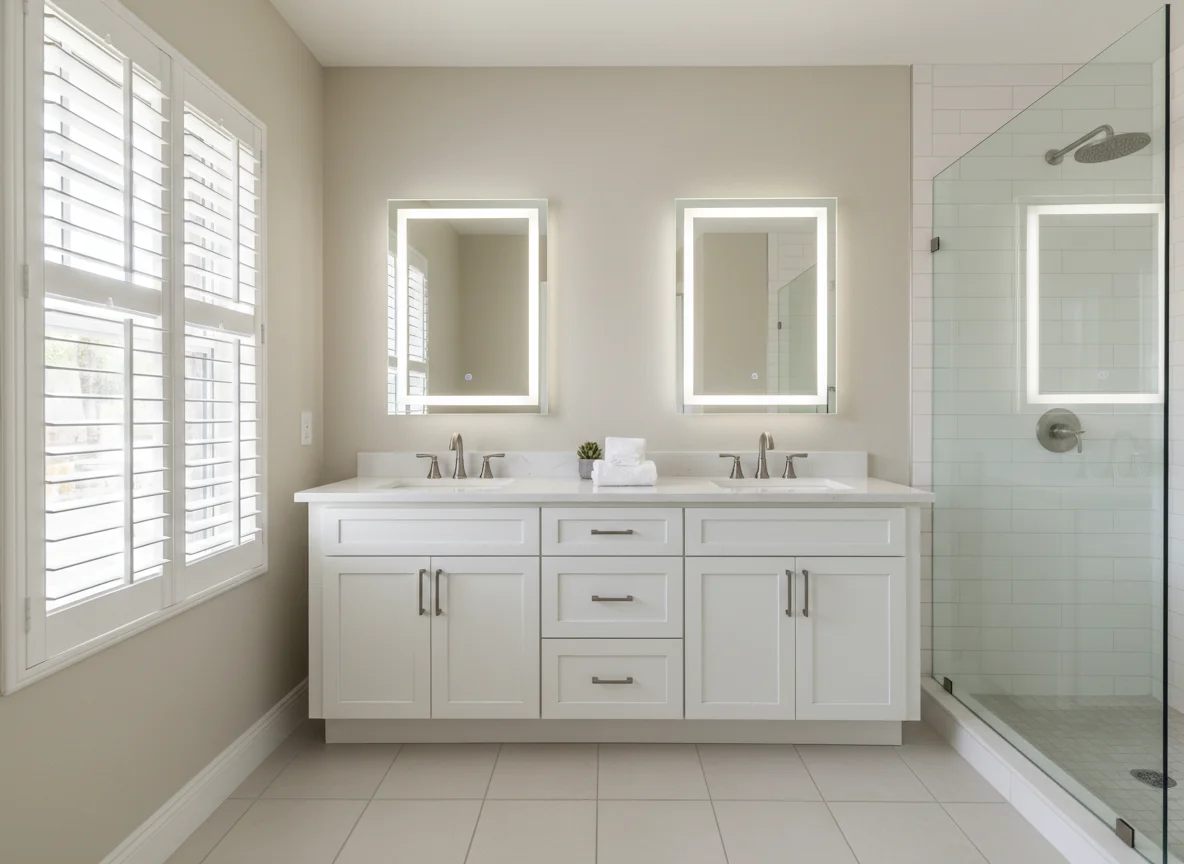
Bathrooms don't need to be luxurious to sell well—they need to feel clean, bright, and problem-free. Re-grouting, re-caulking, replacing a tired mirror, and upgrading vanity lights can shift a bathroom from "old" to "well maintained." If you have a leaky faucet, a running toilet, or a shower door that sticks, fix it now; buyers interpret small defects as clues to bigger maintenance issues.
In humid climates, ventilation matters. If the exhaust fan is weak or noisy, replacing it can prevent the "musty" impression and helps during inspections. A bathroom that smells fresh and looks crisp is a powerful trust-builder.
Staging note: fresh white towels, a simple shower curtain, and uncluttered counters go further than decorative upgrades. Aim for "hotel clean," not "personal spa."
Upgrade #6: Pre-listing maintenance that de-risks the deal
Some of the best ROI isn't glamorous—it's reducing the chances a buyer renegotiates after inspections. Service the HVAC, replace filters, clear the condensate line, and keep receipts. Address any roof concerns early if you know they exist. Ensure windows and doors open smoothly, outlets and switches work, and there are no active leaks under sinks.
Plantation buyers—especially those comparing multiple homes—often pay more for a property that feels predictable. The smoother the path to closing, the stronger your negotiating position tends to be.
Three upgrades that often don't pay off (and what to do instead)
1) Over-customized luxury finishes
Highly specific design choices—bold tiles, niche built-ins, statement countertops, trendy colors—can backfire because they limit buyer appeal. Even if the finishes are expensive, buyers may see them as "projects" if they don't match their taste. Instead, choose timeless neutrals and let staging and lighting deliver the wow factor.
2) Full room conversions without permits or broad appeal
Converting a garage to living space or adding walls to create micro-rooms can raise red flags if permitting is unclear or the change hurts functionality. In many cases, buyers value flexible space more than extra square footage that feels improvised. If you need a better "use," stage the space as an office, gym corner, or play area without structural changes.
3) High-maintenance landscaping "makeovers"
Elaborate gardens can be beautiful, but they sometimes signal future work—especially for buyers who travel or want low-maintenance weekends. Keep landscaping tidy, healthy, and simple. A clean, modern look tends to photograph better and appeals to a wider pool.
How to choose the right projects for your specific home
If you're deciding between multiple upgrades, prioritize what solves the biggest buyer questions: Is it clean? Is it bright? Is it well maintained? Will it pass inspection without drama? Next, consider the neighborhood's typical finish level. If nearby homes commonly have updated kitchens or impact windows, you may need to match that expectation—or price accordingly.
At Solution 1 Realty LLC, we routinely help sellers think like buyers and investors, which is especially helpful if your home needs selective improvements rather than a total overhaul. The same practical mindset used in fixing and flipping—budgeting, prioritizing, and focusing on resale impact—can keep you from overspending while still positioning the property to stand out.
A Plantation-ready game plan before you list
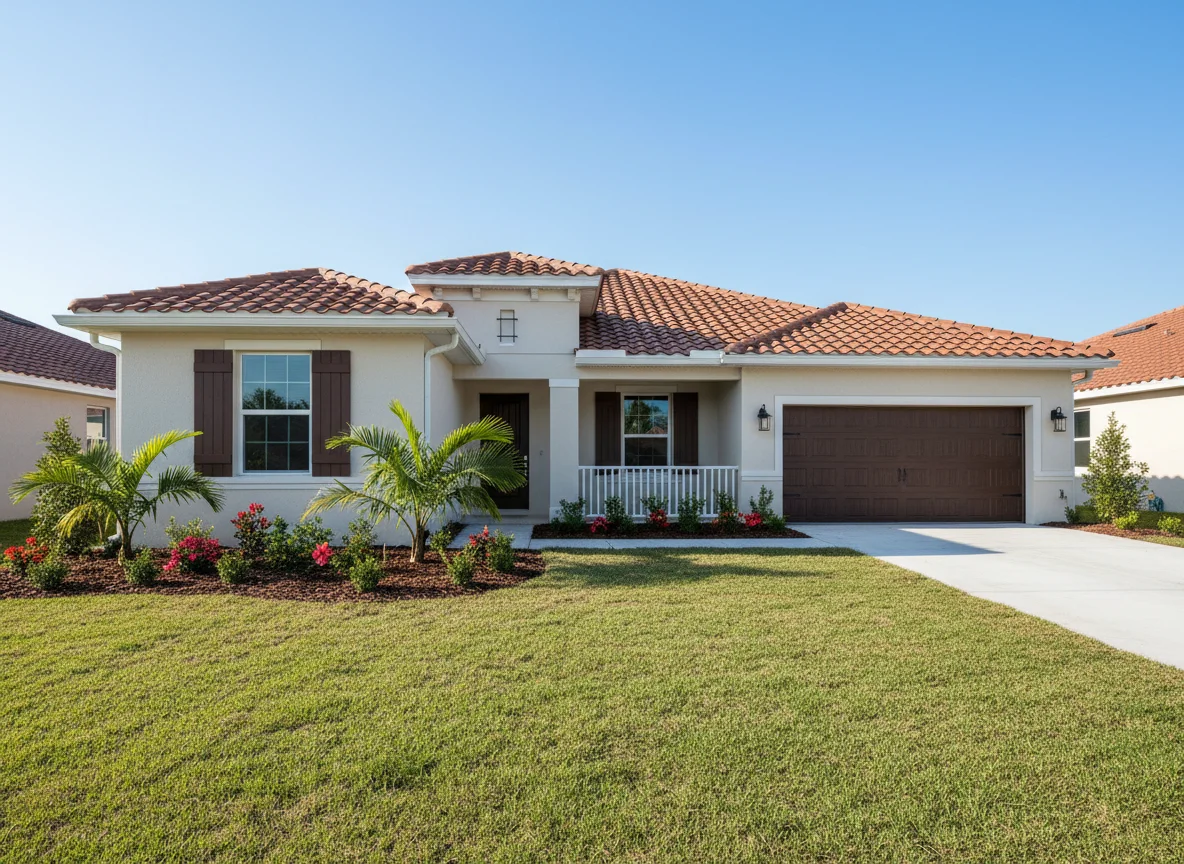
Start with a walkthrough using a buyer's eyes: stand at the curb, then the front door, then the main living area—those are the "decision points." Make a short list of visible issues (paint, lighting, cleanliness, landscaping) and a second list of risk items (HVAC performance, leaks, electrical quirks, roof concerns). Tackle the visible list first because it improves photos and showings immediately, then address the risk list to protect your price during negotiations.
Finally, remember that the best upgrade is often clarity: clear countertops, simplified decor, and a home that feels airy. When a buyer can picture their life in the space—weekend coffee at the breakfast nook, a relaxed evening in the living room, a guest bath that looks pristine—you've done the job.
Bottom line: choose upgrades that widen buyer appeal, photograph well, and reduce inspection surprises. Do that, and you'll be positioned to sell faster and with stronger leverage—without sinking money into projects buyers won't value.