

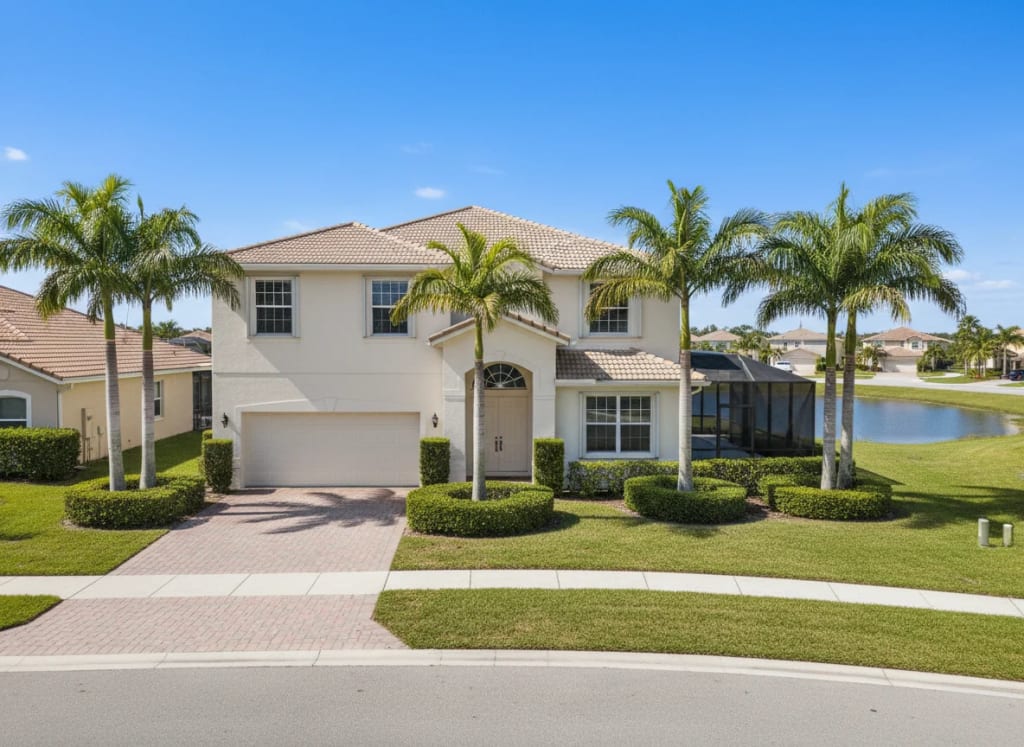
Pembroke Pines Fix-and-Flip Reality Check: Where Profits Go to Disappear
Fix-and-flip shows make it look like every dated kitchen is a lottery ticket. In real life, Pembroke Pines can absolutely reward smart investors—but it's also a place where small missteps compound fast: one "minor" permit issue, one underestimated roof, one extra month of carrying costs, and your margin quietly evaporates. The good news is that most surprises are predictable if you know where to look. This reality check is designed to help you budget like a pessimist, renovate like a professional, and exit like you've only got one chance (because you often do).
Before you pick up a hammer, start with the local lifestyle and buyer expectations. Pembroke Pines attracts households who value commute-friendly neighborhoods, parks and recreation, and homes that feel move-in ready—clean finishes, durable flooring, strong HVAC, and a functional, bright layout. That means your renovation doesn't have to be "luxury," but it does have to be cohesive. A house with a gorgeous primary bath but tired windows, stained driveway, and dated lighting reads as unfinished, and buyers will price in risk. Investors who win here focus on dependable upgrades that photograph well, live well, and don't introduce inspection drama.
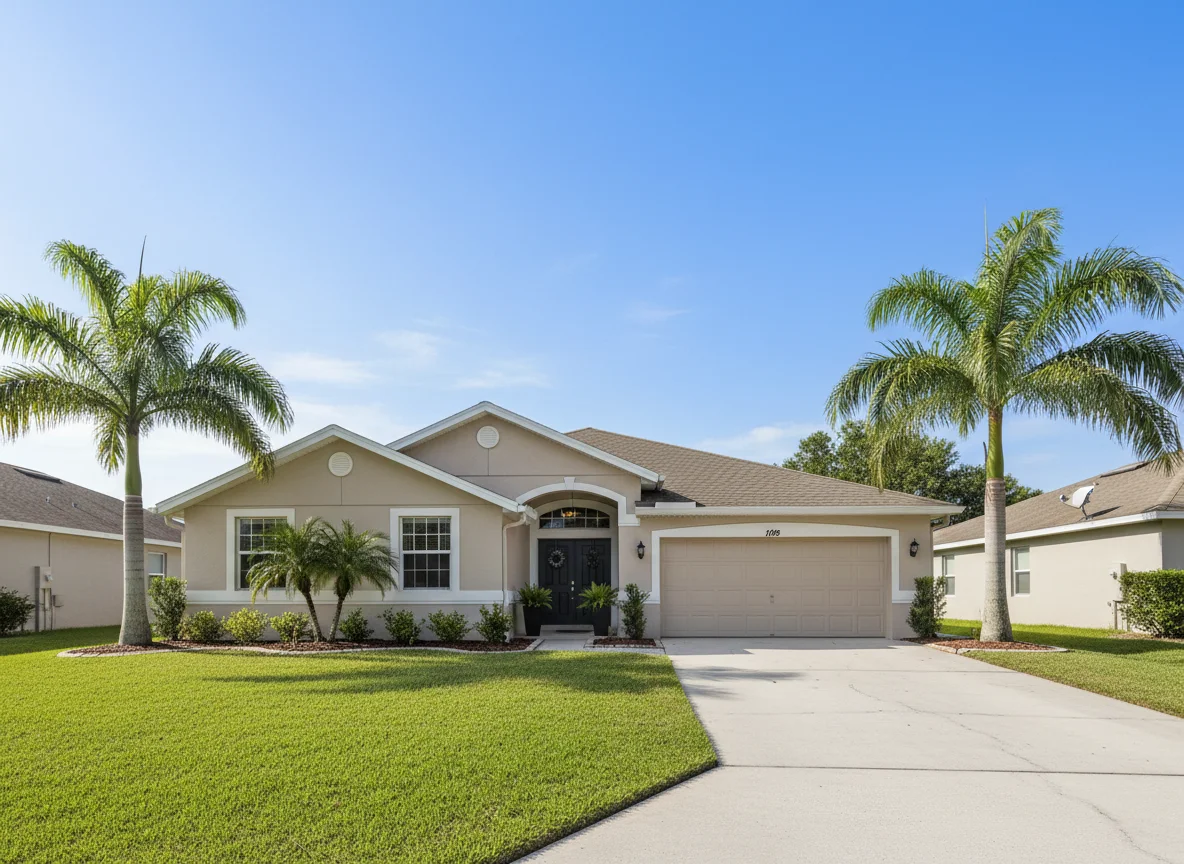
Budget Traps That Hit First-Timers (and Still Catch Pros)
Carrying costs are the silent killer. Mortgage interest, insurance, utilities, lawn service, and pest control don't look scary line-by-line, but they stack up every week you're waiting on materials, inspections, or a contractor reschedule. In South Florida, insurance and storm-season considerations can be especially painful, so build time buffers that reflect reality rather than optimism. A 30-day delay is common; plan like 60 is possible.
"Cosmetic" projects turn structural quickly. The moment you open a wall or pull cabinets, you may discover older electrical panels, undersized wiring, corroded plumbing, or moisture issues. Add a contingency that matches the property's age and condition—then guard it. If you use contingency for upgrades (instead of surprises), you'll have nothing left when the surprises show up.
Exterior and drainage are often undervalued. Buyers might fall in love with quartz counters, but inspectors and appraisers care about roof life, water intrusion, grading, and visible deferred maintenance. In a climate with heavy rain and humidity, drainage and exterior sealing matter. Budget for pressure cleaning, fascia/soffit repairs, caulking, minor stucco work, and landscape cleanup. These are "unsexy" line items that protect your end price and reduce inspection re-trades.
Finishes that don't match the neighborhood can backfire. Over-improving is real. If nearby sold homes are mostly clean, updated mid-range rehabs, a hyper-custom design can price you out of the buyer pool without returning the cost. The goal is to be one of the best options at your target price point—not a museum that scares buyers with replacement costs.
Permits and Paperwork: The Schedule You Didn't Budget For
Permits aren't just a bureaucratic hoop; they're a timeline and resale issue. Unpermitted work can complicate financing, trigger inspection concerns, and invite buyer demands for credits or post-closing holdbacks. Even when you're confident in your contractor, confirm what requires permits and what documentation you'll need at the finish line. If your plan includes structural changes, major electrical/plumbing, HVAC work, roof replacement, or significant exterior alterations, treat permitting as a core part of the project—not an afterthought.
Practical move: build a "permit calendar" the same way you build a material schedule. When do plans need to be ready? When is the first inspection likely? What are the common re-inspection causes (missed straps, labeling, GFCI placement, smoke/CO requirements, etc.)? A one-week delay can ripple into missed appraisal windows and a longer holding period.
Also plan for clean documentation at resale. Keep a simple folder: scope of work, contractor license/insurance, permit numbers, inspection sign-offs, warranties for roof/HVAC/water heater, and receipts for big-ticket items. When a buyer asks "what was done and was it permitted?", you'll answer in one email instead of a panic.
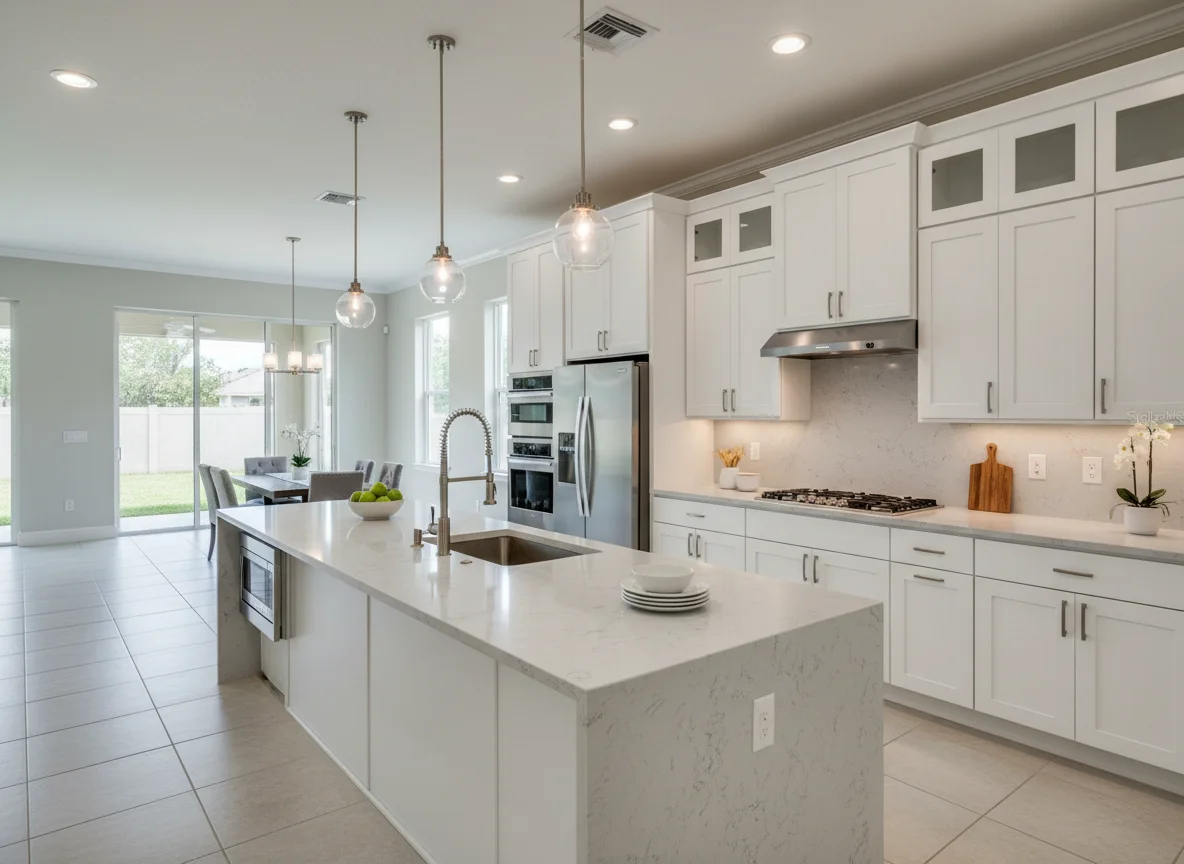
Renovation Strategy: Make It Feel New Without Making It Weird
In Pembroke Pines, many buyers want a home that supports real life: easy-to-clean surfaces, good storage, and spaces that flow. That makes your renovation priorities fairly consistent. Kitchens and baths sell, but so do the basics: reliable HVAC, a roof with life left, good windows/doors, and a fresh, neutral paint scheme that makes the home feel bright in photos.
Try this hierarchy:
- Safety/insurability: roof condition, electrical panel concerns, visible leaks, moisture/mold remediation.
- Mechanical confidence: HVAC performance, water heater, functional plumbing and shutoffs, stable drainage.
- First impression: exterior paint/touch-ups, clean driveway/walkway, tidy landscape, updated lighting, modern hardware.
- High-impact interiors: cohesive flooring, simple kitchen refresh, clean bathrooms, updated switches/outlets and fixtures.
- Nice-to-haves: feature walls, elaborate tile patterns, boutique finishes that can polarize buyers.
When in doubt, choose durability and consistency over trends. A neutral palette, quality LVP or tile appropriate for the climate, and straightforward fixtures reduce both install risk and buyer objections. Keep the floor plan changes minimal unless the numbers are overwhelming in your favor—layout work tends to invite permitting complexity and surprise costs.
Don't forget the "photo audit." Walk the home like a buyer scrolling listings: does each room have a clear purpose, good lighting, and a clean line of sight? Staging doesn't have to be expensive, but it should be intentional—especially in the living areas and primary suite.
Exit Plans: Sell, Rent, or Hold (Before You Buy)
A strong flip is built backward from the exit. Decide what "success" means before closing: your target resale price, your maximum renovation budget, and the latest acceptable list date. Then run at least two scenarios: Plan A (standard resale) and Plan B (rent or short-term hold if the market softens or the timeline slips). If you can't live with Plan B numbers, the deal may be too thin.
Price strategy matters more than perfection. Buyers compare your home to nearby alternatives, not to your spreadsheet. Overpricing "to leave room" can cause a listing to sit, and days on market can turn into negotiation leverage for buyers. The best flips often launch with clean presentation, sharp pricing, and a clear story: updated, permitted, well maintained, ready now.
Negotiation prep reduces last-minute panic. Expect inspection requests and decide in advance what you'll credit, what you'll fix, and what you'll decline. If you have permits closed out and warranties organized, you'll spend less time defending the property and more time protecting your net.
How Solution 1 Realty LLC Helps Investors Stay Ahead of the Curve
Fix-and-flip projects succeed when real estate decisions and renovation decisions work together. Solution 1 Realty LLC brings experience supporting both traditional residential transactions and investment-oriented deals, helping you evaluate neighborhoods, set realistic after-repair value expectations, and think through the entire timeline—from acquisition and permitting risk to listing strategy and closing. Just as importantly, the guidance is client-service focused: you get a clear process, straightforward communication, and a plan that doesn't rely on best-case assumptions.
If you're looking at a Pembroke Pines property and wondering whether it's a true opportunity or a budget trap in disguise, build your numbers carefully, respect the permit timeline, and choose an exit plan you can live with. Flipping isn't about being fearless—it's about being prepared, and then executing with discipline.