


A change in Boca Raton’s median home price or number of listings tells only part of the story. The property type, price range, and condition of competing homes can matter just as much when you’re deciding what to offer or how to price. Here’s how to read the market more closely before making your next move.
Look beyond a single market headline
A citywide statistic can be a useful starting point, but it rarely describes every home on the market. A waterfront property, a condominium, and a single-family home farther inland may attract different buyers and compete against different listings. Before deciding whether prices are moving up or down, narrow the comparison to the type of property and location you’re considering.
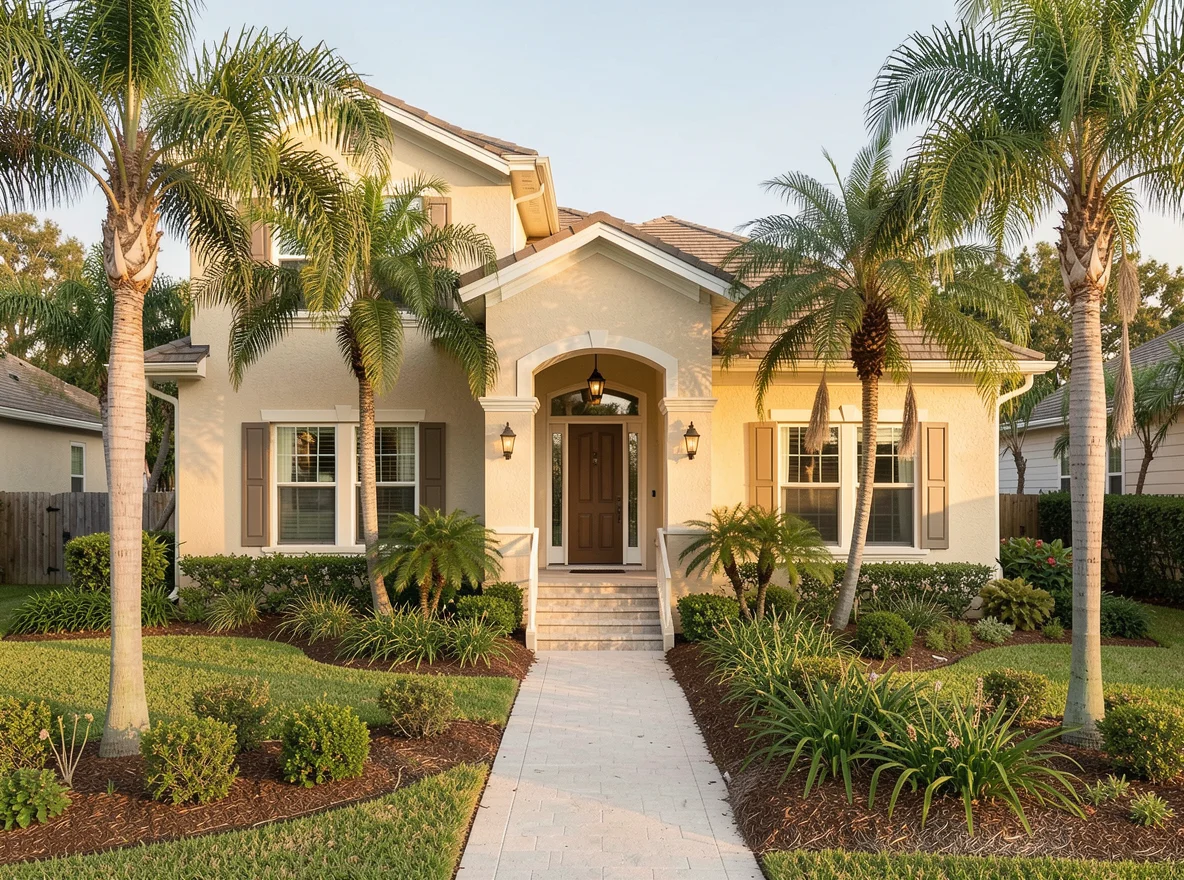
The median sale price is the midpoint of homes that closed during a particular period. It can shift because individual properties sold for more or less, but it can also change when the mix of homes sold changes. If more high-priced waterfront homes close in one month, for example, the citywide median may rise even if values for comparable inland homes have not changed in the same way.
For a clearer picture, review recent closed sales alongside active listings and properties under contract. Closed sales show what buyers actually paid, while active listings show today’s competition. Pending or under-contract homes can offer clues about current demand, although their final sale prices may not yet be available.
A rising median does not automatically mean every Boca Raton home gained value. Compare similar properties before drawing a conclusion about a specific home.
When comparing sales, pay attention to property size, age, condition, lot characteristics, and updates. A renovated home with a pool may not be a reliable benchmark for a nearby property that needs substantial work. The closer the match, the more useful the comparison is likely to be.
What inventory can tell you
Inventory is the supply of homes available for sale. A larger selection can give buyers more alternatives, while a smaller selection can make suitable properties harder to replace. Neither condition guarantees a particular outcome: a well-priced home may attract attention even when other listings are sitting longer, and an overpriced home can linger when choices are limited.
One common measure is months of supply, which estimates how long the current inventory would last at the recent pace of sales if no additional homes came to market. It is a snapshot, not a forecast. Ask for the measure in your property category and price range rather than relying solely on a citywide figure.
Days on market and price reductions add another layer of context. A listing that has been available for several weeks might reflect ambitious pricing, needed repairs, or a smaller pool of potential buyers. It may also have returned to the market after a contract fell through. Review the listing history and ask questions before assuming a longer marketing period signals a problem.
Inventory and pricing can change, and this article does not provide a current market report. Before acting, request the latest figures for Boca Raton and the segment that matters to you, including the dates covered and the source of the data. Comparing the same period across years can be more useful than treating a single month as a lasting trend.
A buyer’s plan for comparing opportunities
Start by defining your budget in terms of both purchase price and ongoing costs. Mortgage rates, property taxes, insurance, maintenance, and any association charges can all affect affordability. Ask a lender for financing options, and obtain property-specific estimates rather than assuming the seller’s current tax or insurance costs will match yours.

As you tour homes, compare the asking price with recent sales and the choices currently available. Look beyond finishes to the age and condition of major systems, the roof, and any features that could affect insurance or future repairs. A lower asking price may leave room for improvements, but only if the work fits your budget and timeline.
For condos and other association-governed properties, review the applicable documents and financial information with appropriate professionals. Monthly fees, reserves, planned work, and potential assessments can influence the total cost of ownership. Financing requirements and association rules may also affect a purchase, so investigate those details during the contract’s permitted review period.
For an association property, compare the monthly payment and potential assessments as carefully as the list price. Two similarly priced homes can have very different ongoing costs.
When you find a property that fits, let comparable sales and its condition guide your offer. Price is only one term: financing, inspection and appraisal contingencies, deposits, and closing timing also matter. Your agent can help you weigh those terms against the seller’s priorities without skipping the due diligence you need.
How sellers can position a home
For sellers, the strongest pricing discussion begins with the homes a buyer would realistically consider instead. Examine recent comparable sales, but also look at active competition and listings that reduced their prices or did not sell. A suggested price should reflect the property’s present condition, its features, and the response similar homes are receiving now.
Preparation can make those comparisons work in your favor. Address obvious maintenance items, gather records for significant improvements, and consider whether a deep clean, fresh paint, or professional photography would help buyers understand the property. Not every project pays for itself, so weigh the cost and timing of improvements against the likely benefit before starting work.
Once the home is listed, review showing activity, buyer feedback, and changes in competing inventory with your agent. If interest is limited, consider whether the price, presentation, accessibility for showings, or another factor deserves attention. A thoughtful adjustment can be more effective than waiting for a broad market headline to change.
Choose your timing with current information
There is no single statistic that can tell every buyer or seller when to act. Your timeline, financing, property condition, and available alternatives deserve a place in the decision alongside price and inventory data. If you’re weighing a move, ask Solution 1 Realty LLC for a current comparison of the Boca Raton properties relevant to your goals. With a clear view of the numbers and the tradeoffs, you can make a decision grounded in the market you’re entering—not just the headline you last saw.