
A compelling Plantation listing price is not simply the highest number a seller hopes to achieve. It is a strategic starting point built around current competition, recent comparable sales, condition, and the way buyers respond during a home’s first days online. With the right preparation and pricing plan, sellers can invite stronger interest while protecting their negotiating position.
Start With the Market, Not a Guess
Pricing a home in Plantation takes more than checking a nearby sale or choosing a round number. Buyers can compare active listings, pending contracts, price changes, photos, and property details quickly, so a listing needs to make sense within the current choices available. A well-supported price gives prospective buyers a reason to schedule a showing rather than wait for the next option.
The most useful pricing analysis looks at several layers of information. Recent closed sales help establish what buyers have actually paid. Pending listings can reveal where current agreements may be forming, while active listings show the properties competing for attention today. Withdrawn, expired, and repeatedly reduced listings can also be informative because they show where a price or presentation may not have connected with the market.
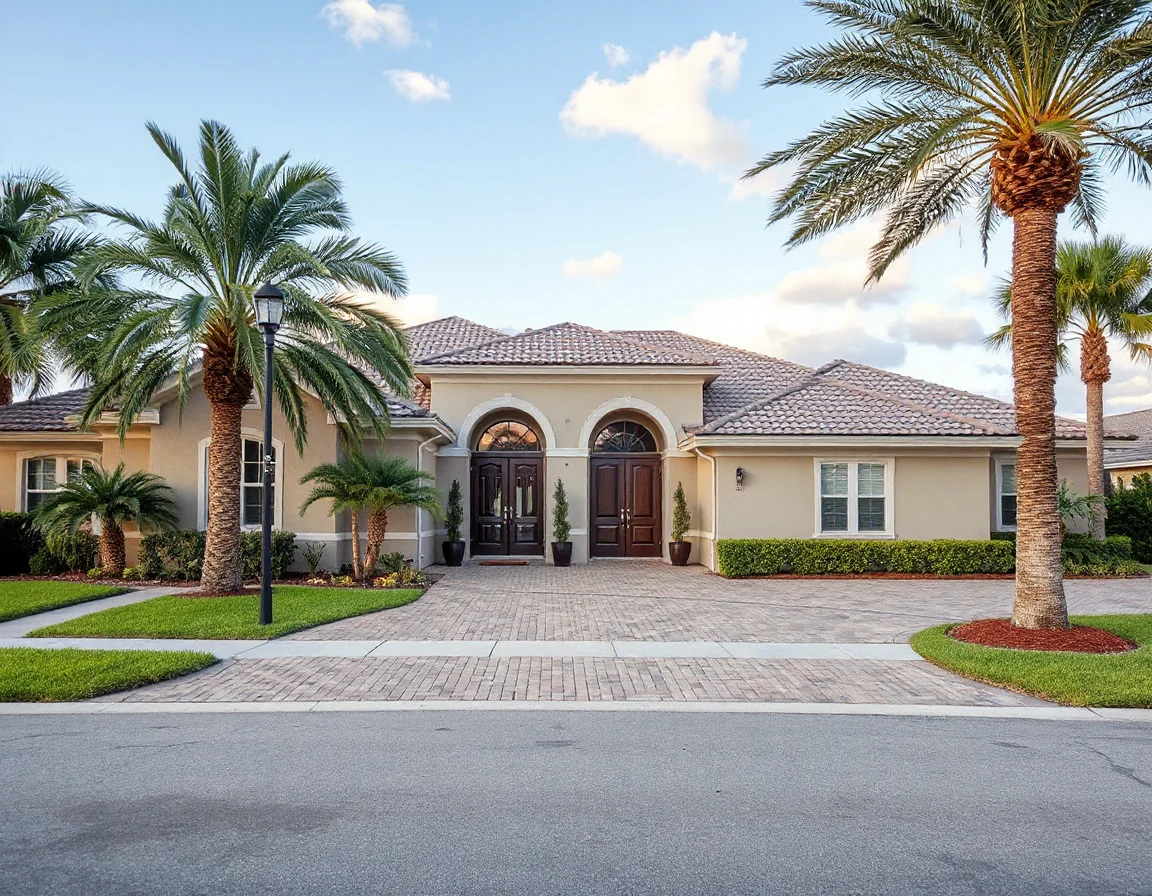
Comparable homes should be truly comparable whenever possible. That means weighing location within Plantation, lot size, square footage, bedroom and bathroom count, renovations, pool features, garage configuration, age, condition, and association requirements. A home near a park or golf course, for example, may draw a different response than a similar-sized property on a busier road. The goal is not to find identical homes, which are rare, but to make thoughtful adjustments based on features that influence buyer decisions.
The first week of a listing often brings the clearest feedback because motivated buyers and their agents are watching new inventory closely. Early showings, saved searches, and questions can help confirm whether the price is aligned with the market.
A listing agent with deep local experience can turn those details into a practical pricing range rather than relying on an automated estimate alone. Online valuation tools can be a useful starting point, but they cannot walk through a remodeled kitchen, assess natural light, recognize deferred maintenance, or compare the appeal of two different streets. A careful in-person review adds context that broad data models may miss.
Price for Attention and Negotiation Room
Many sellers understandably want to leave room for negotiation. The challenge is that an overly ambitious list price can reduce the number of buyers who see the property in the first place. Search filters are often set in price brackets, and a home that sits just above a common threshold may miss buyers whose budgets could otherwise support an offer.
Pricing slightly above the likely market response can also make a property look less competitive when compared side by side with homes offering similar features. Buyers may interpret additional days on market as a reason to negotiate more aggressively, even when the home itself has strong attributes. In contrast, a well-positioned price can create urgency by making the value easy to recognize.
That does not mean every home should be priced the same way. A carefully updated property with a desirable layout, high-quality finishes, or a particularly appealing outdoor area may justify a stronger position within its competitive range. Likewise, a property needing updates may benefit from a price that clearly accounts for the buyer’s anticipated work. Honest positioning helps attract offers based on the home’s real value rather than on expectations that are difficult to support.
It is also important to decide in advance how offers will be evaluated. Price matters, but it is only one part of an offer. Financing terms, inspection periods, appraisal considerations, requested concessions, closing timing, and the buyer’s contingencies can all affect the certainty and net result of a sale. A sound pricing strategy is designed to generate interest from qualified prospects and give the seller meaningful options when offers arrive.
Make the Price Feel Supported
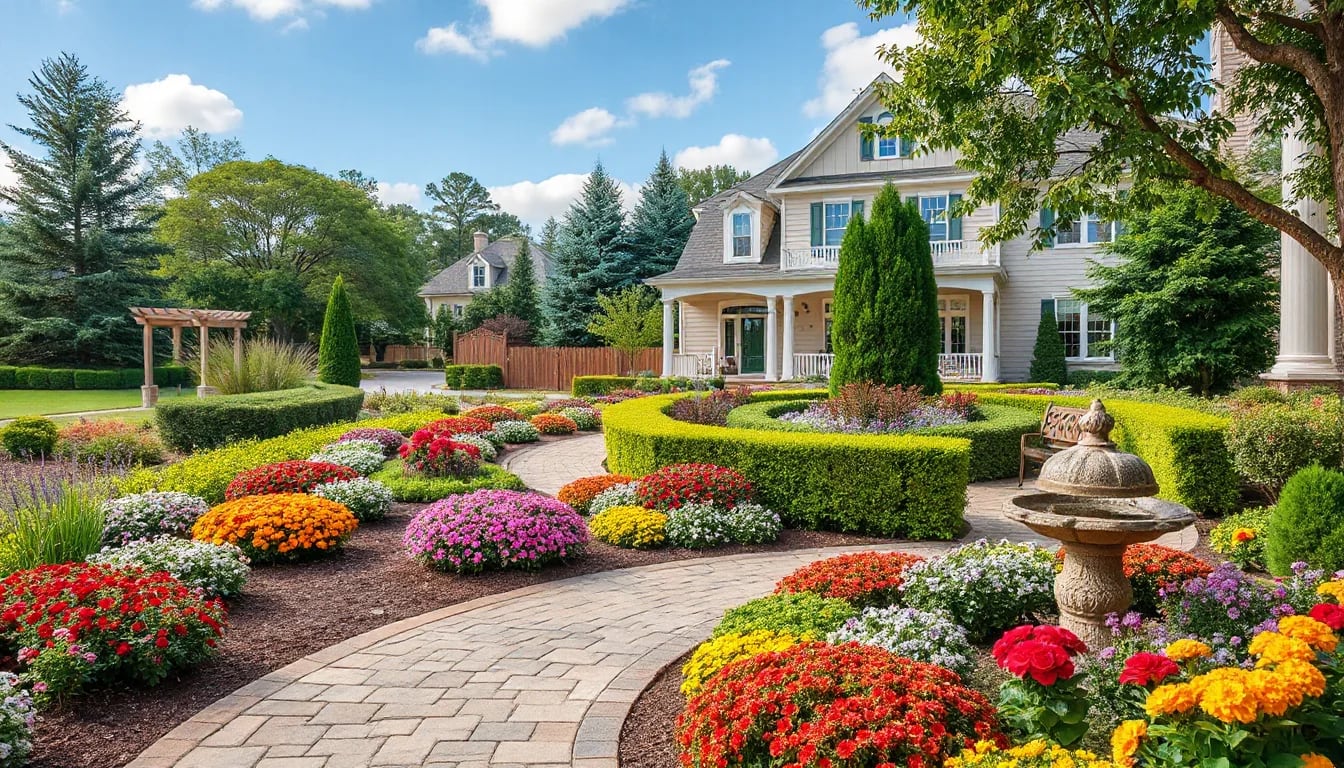
A strong list price works best when the home’s presentation reinforces it. Before photographs are taken, sellers can focus on the details buyers notice quickly: a tidy entry, clear walkways, trimmed landscaping, bright rooms, clean windows, and a manageable amount of furniture. These steps do not change the square footage, but they can make the property easier to understand and remember during a busy day of showings.
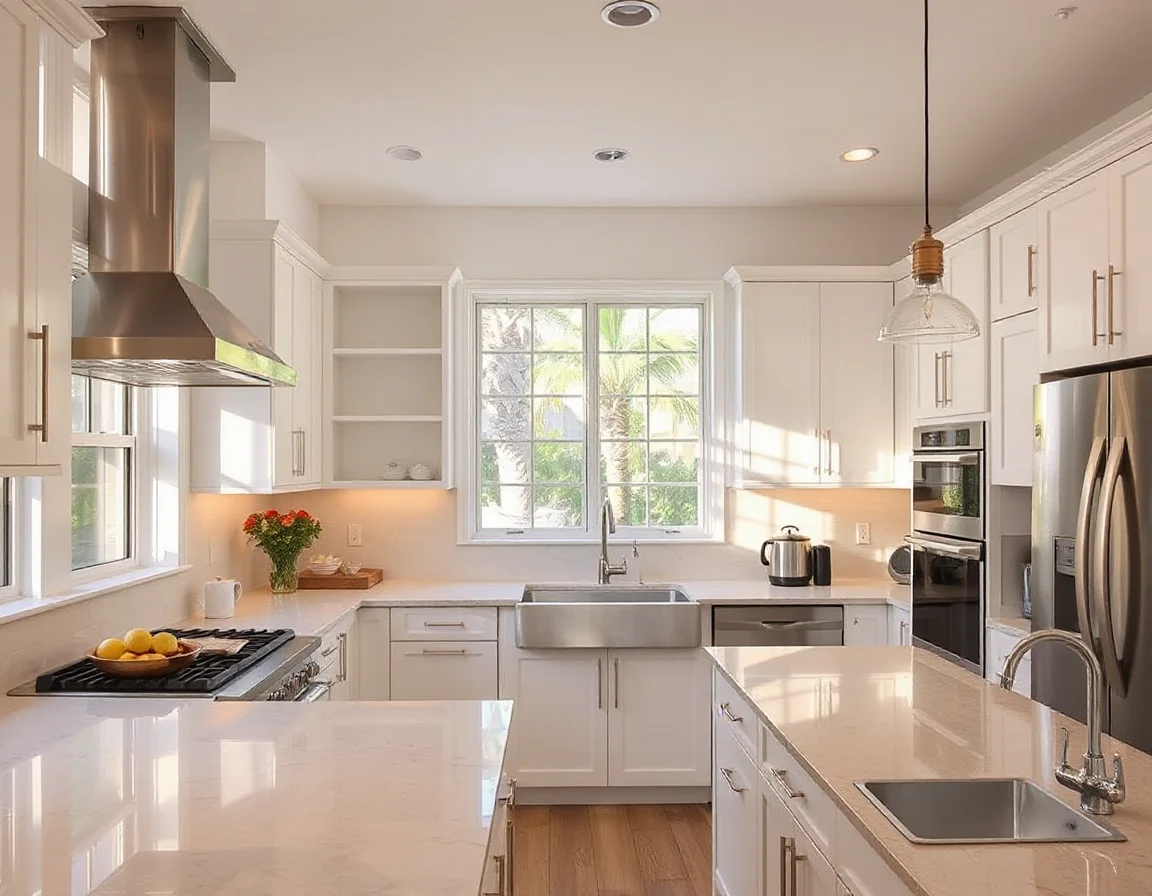
Photos should tell a consistent story about the home, from curb appeal to key interior spaces and outdoor features. Clear, well-lit images help buyers understand the flow of the rooms before they visit. Accurate property details are equally important. If there are recent improvements such as a roof replacement, impact windows, updated mechanical systems, or renovated living areas, those features should be documented clearly and reflected in the listing narrative.
For homes with distinctive features, presentation can help explain value. A screened pool area, covered patio, flexible bonus room, waterfront view, or expansive lot may be a meaningful differentiator, but buyers need to see how it fits into the total package. The strongest listing descriptions stay factual while showing how a home’s spaces can be used day to day.
Preparing disclosures and records early can also make negotiations smoother. Sellers may want to gather permits, warranties, association documents, utility information, surveys, and details about major improvements. When questions can be answered promptly, buyers have more confidence in the process and are better equipped to make an informed decision.
Use Feedback to Stay Responsive
Once the home is live, pricing should be monitored rather than forgotten. Showing feedback, online engagement, repeat questions, comparable listings that go pending, and changes in available inventory all provide useful signals. One comment does not define the market, but repeated feedback about price, condition, or a missing feature deserves careful consideration.
If the response is slower than expected, the best next step is usually a focused review rather than a rushed reaction. Look at the listing against the newest competition: Has a similar home come on the market at a more attractive price? Are buyers viewing the property but not returning for second visits? Is the photography showing the home’s best features? The answer may be a pricing adjustment, a presentation update, or a clearer explanation of value.
Timely adjustments tend to be more effective than a series of small reductions over many weeks. When a change is needed, it should be purposeful and visible enough to reach a new group of buyers or reposition the home against current alternatives. This approach preserves momentum and keeps the seller in control of the decision-making process.
Plantation offers a broad mix of property styles, from established residences to newer construction and investment opportunities, so no single formula fits every address. The best pricing plan combines local data with a close look at the home itself, then remains flexible as buyer activity unfolds. With thoughtful preparation, accurate positioning, and experienced guidance, sellers can move toward the market with clarity and confidence.